Christmas without too many presents: how can we help kids enjoy what they get?
The magic of Christmas isn't in how many packages are under the tree or in the stockings, but in the moments we share. Learn how to choose presents with intention and support your children's wishes through respectful parenting.
Why do we end up buying so many presents at Christmas?
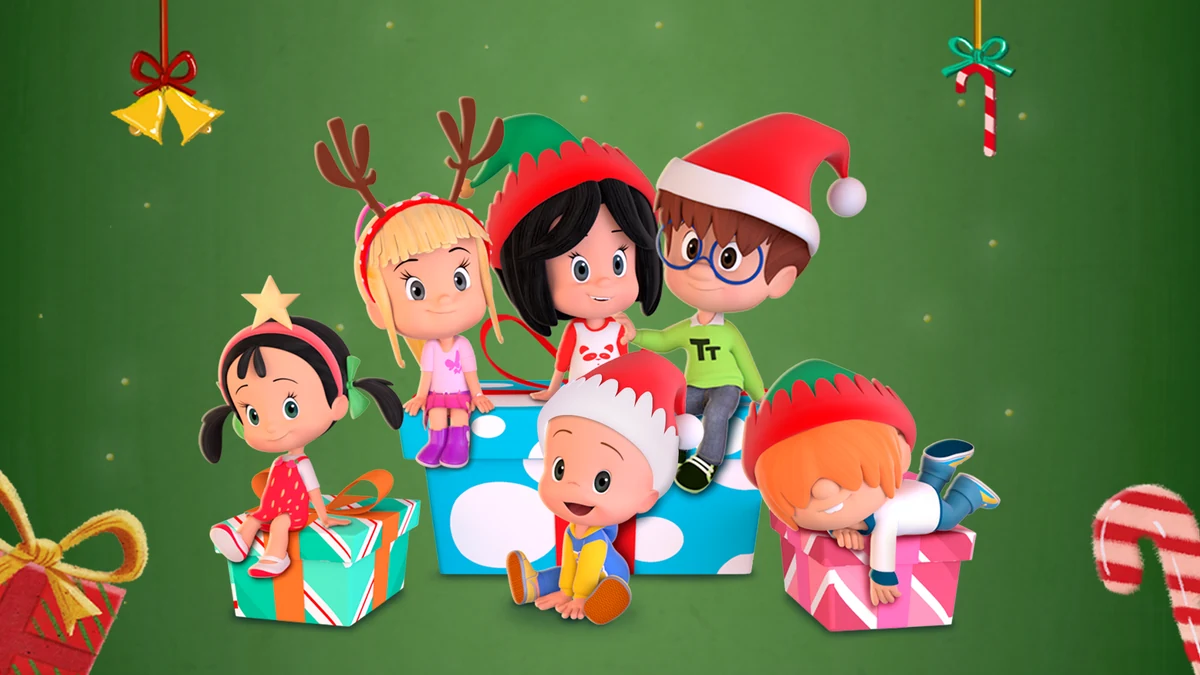
We love surprising our children and sharing their excitement. But between traditions, advertising and family expectations, we sometimes end up with more presents than we ever planned.
There can also be less obvious reasons: making up for time we haven't been able to spend with them, keeping them from feeling left out or protecting them from disappointment. Sometimes it's hard to say no because we mistake their sadness for a sign that we're not doing enough for them.
A study of more than 700 adults found that those who received presents as a reward or as a sign of affection as children tended to place more importance on possessions as adults (Richins and Chaplin, 2015).
The holidays are a good opportunity to rethink what we hope to achieve when we give presents and to remember that the number of packages doesn't measure the love we give.
What happens to a child who gets too many toys?
When there are lots of toys within reach, some children quickly jump from one to the next without really settling on any of them. They may also find it harder to choose what to play with or to discover everything a single toy can do.
There's an explanation linked to how the brain works. Dopamine is involved in the circuits of motivation, learning and reward: it plays a role in anticipating something appealing and in the drive to get it (Hämmerer and Eppinger, 2012). That's why novelty, like opening a package or discovering a new toy, grabs their attention so strongly.
At the same time, the ability to stay focused, hold back an impulse, wait, weigh options and decide is still developing. These skills, known as executive functions, depend on brain networks that include the prefrontal cortex and its connections with other systems.
Helping them wait, choose, explore a toy for a while or finish an activity are everyday experiences that give them chances to practice these skills.
The American Academy of Pediatrics recommends choosing age-appropriate toys that encourage imagination, creativity, problem-solving and interaction (Healey and Mendelsohn, 2019). They don't need to be expensive or high-tech. A book, a set of blocks or art supplies can offer endless possibilities if we give children time to enjoy them.
How can we teach kids to appreciate what they receive?
Between the ages of 2 and 6, children are developing empathy, self-regulation and the ability to understand other people's intentions. That's why they may feel disappointed if a present isn't what they expected, or show little enthusiasm for something someone else chose with love.
Instead of demanding a particular reaction, we can help them recognize the gesture: “Grandma and Grandpa were thinking of you and picked this book so you can enjoy it together.”
Gratitude is learned through example and everyday experiences. It isn't about making them say thank you, but about showing them how to notice small acts of kindness and express appreciation in a way that suits their age. The American Psychological Association (APA) suggests saying thank you in front of them and asking open-ended questions, such as “Why do you think your aunt chose this present for you?” (Novotney, 2023).
How can I choose Christmas presents more mindfully?
Before writing the letter to Santa Claus, keep these ideas in mind:
- Listen to their wishes without turning them into a list of obligations. The letter is a chance to share hopes and dreams, not a promise that everything will arrive.
- Think about their current interests. A toy that lets them build, imagine, tell stories or act out everyday situations can stay with them for a long time.
- Include experiences. A day trip, an afternoon of baking or a special activity can also become unforgettable memories.
- Talk with your family. Sharing ideas with grandparents, aunts and uncles helps avoid duplicate presents and choose options that truly suit your child.
- Set a realistic budget. There's no ideal amount every family should spend. What matters is finding a balance you all feel comfortable with.
- Leave room for surprise. Not every wish has to become a purchase. Sometimes waiting, imagining and choosing between several options is also part of learning.
What should I do if my child gets a lot of presents at once?
You can set some aside for other occasions. That way, you spread out the special moments and give your child more chances to discover and enjoy each toy. There's no single right way to do it: what matters is that it's a pleasant experience for everyone.
This can be a good option as long as it's done flexibly and doesn't become a technique for correcting your child. The goal isn't for them to learn to settle for less, but to have time to enjoy what they receive and experience Christmas with excitement.
How can a Cleo & Cuquin episode help us talk about presents?
In the episode “Christmas Day,” something unexpected happens: Santa's factory breaks down and it looks like there won't be any presents that Christmas. But Cleo has an idea: the siblings turn into elves, make the presents and help Christmas go on.
The story opens up conversations with children: “What would happen if the presents didn't arrive?”, “Could we make them ourselves?”, “What other things could we make to enjoy together?”
This way, they discover that the value of a present lies in the excitement and meaning the giver puts into it. It doesn't have to come from a catalog: it can be bought, built, made or be a shared experience.
Let's play
Hand-eye coordination and anticipation (knowing when to jump), plus creative expression when decorating a postcard with the stickers collected.
Cuquin Sticker RunnerPrintables
The gift factory: a meaningful Christmas. A Christmas mission to do together. Inspired by the episode, children make a present for someone special and discover that some presents don't come wrapped.
Download PDFFrequently asked questions
How many presents should my child get for Christmas?
There's no ideal number for every family. Consider your child's age, your family's wishes and budget, and the time they'll have to enjoy each present.
What should I do if my child gets upset because they didn't get what they asked for?
You can validate their feelings: “I know you were really looking forward to it. I understand you're sad.” You don't need to buy what they asked for to make the upset go away. Supporting them through their disappointment also helps them learn to handle it.
Should I make my child say thank you when they get a present?
There's no need to demand an immediate reaction. It's good to teach them to express gratitude: you can say thank you first and help them recognize the other person's gesture.
How can I talk to grandparents who want to give my child lots of presents?
Thank them for their enthusiasm and suggest alternatives, like going in together on one present, choosing a book or giving an experience to enjoy together.
References
- Healey, A., Mendelsohn, A., and Council on Early Childhood (2019). Selecting Appropriate Toys for Young Children in the Digital Era. Pediatrics, 143(1), e20183348. American Academy of Pediatrics. publications.aap.org
- Novotney, A. (2023). Stop telling your kids to be grateful. Show them how instead. American Psychological Association. apa.org
- Hämmerer, D., and Eppinger, B. (2012). Dopaminergic and prefrontal contributions to reward-based learning and outcome monitoring during child development and aging. Developmental Psychology, 48(3), 862-874. https://doi.org/10.1037/a0027342
- Richins, M. L., and Chaplin, L. N. (2015). Material Parenting: How the Use of Goods in Parenting Fosters Materialism in the Next Generation. Journal of Consumer Research, 41(6), 1333-1357. https://doi.org/10.1086/680087
Experts' signature: Beatriz Fuentetaja de la Mata, Montessori teacher and guide · Valle Molinero, Licensed Psychologist M-33177 · Co&Co Training
Review date: November 20, 2026
More guides
Emotions at family gatherings
Christmas is coming and emotions run high: excitement about presents, shyness when seeing relatives again, anger or…
Mindful screen time
Cleo & Cuquin uses the 'Screen-to-Play' method, designing each episode as a source of inspiration for…

From tantrum to learning
Cleo & Cuquin promotes emotional self-regulation by turning mistakes and frustration into missions of…