
Emotions at family gatherings: how can I validate my child's feelings without allowing any behavior?
Christmas is coming and emotions run high: excitement about presents, shyness when seeing relatives again, anger or disappointment. Learn how to support what your child is feeling without giving up on limits.
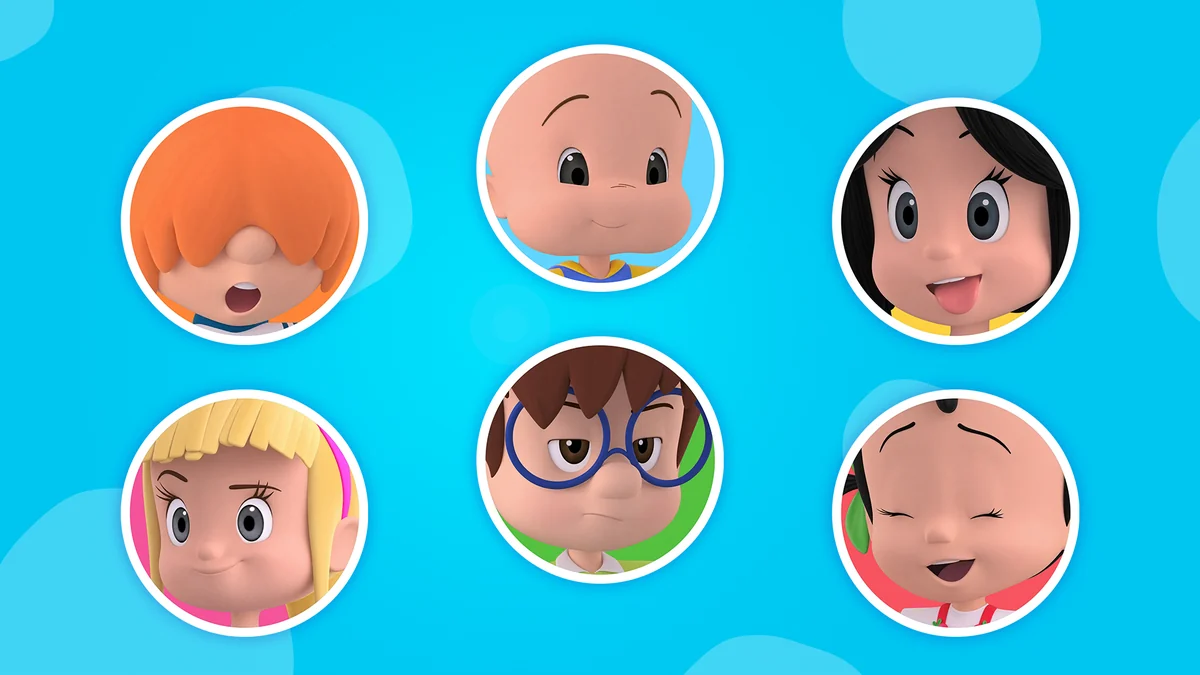
Why might my child react unexpectedly at family gatherings or with friends?
Crowded get-togethers, noise, changes in routine and seeing people again can feel overwhelming for some children. On top of that, they're still learning to handle frustration and express what they feel.
But there's another important question: what state are we in when we arrive?
Maybe we've spent days planning meals, getting presents ready and looking after everyone. When we're tired, we have less room to tolerate complaints or changes of plan. A tantrum we'd patiently ride out on another day can feel unbearable.
How we interpret children's behavior also plays a part: we may see a refusal to say hello as rudeness, or anger as defiance. Yet the child may actually be expressing discomfort or frustration.
Understanding what's going on with them and noticing how we ourselves are doing helps us respond more mindfully, instead of reacting purely out of exhaustion.
Why does my child cry, hide or refuse to say hello to family or friends?
A little one may hide behind you when they see a relative, even if they were looking forward to seeing them. Maybe they need time to feel comfortable.
Young children are still developing impulse control and the ability to handle strong emotions. Instead of insisting on a kiss or an immediate hello, you can say: “I can see you need a little time. We can wave hello whenever you're ready.”
Respecting their pace doesn't mean you stop teaching social skills; it means doing it without forcing physical contact or embarrassing them.
If you're worried about what others will think, remember that you don't need to prove you're a good parent by getting your child to obey right away. You can stay by their side and offer alternatives without turning a greeting into a power struggle.
What should I do if my child gets angry or disappointed with a present?
Imagine your child opens a present and it isn't the toy they were hoping for. They may cry, complain or say they don't like it. Their reaction might disappoint you, especially if you put a lot of love into choosing the present.
However, a child can feel disappointed without being ungrateful. They're still learning to manage their expectations and express what they feel.
You can respond: “You were hoping for a different toy and you're disappointed. I get it.” You don't need to make them fake excitement. Once they're calm, you can teach them to share their opinion respectfully and to appreciate the gesture.
It's also worth noticing what their reaction stirs up in you. Maybe you feel hurt, embarrassed because others are watching, or you read their response as ingratitude. You can acknowledge your own disappointment without making your child responsible for your expectations. What matters is choosing how and when to express it.
How do I set limits without dismissing my child's feelings?
Validating doesn't mean approving of any behavior. If your child hits a cousin because they want a toy, you can understand their anger and stop the aggression: “I understand you're angry, but I won't let you hit. Let's find another way to sort this out.”
Sensitive, responsive relationships support emotional and social development. Harvard's Center on the Developing Child highlights the importance of interactions in which adults listen, respond and put into words what the child is expressing.
But what happens when the person who has to set the limit is also exhausted or angry?
In those moments, we may know what would be best to do and still struggle to do it. Tiredness can lead us to raise our voice or try to end the tantrum as quickly as possible. That's why supporting children's emotions also means acknowledging our own (Hajal and Paley, 2020).
If you notice you're about to lose it, use fewer words and hold the limit. If everyone is safe, you can take a moment to calm down. If your child is hurting someone, stop the behavior first.
You can say: “I'm getting really angry and I need to slow down. I won't let you hit. Let's stop for a moment.”
And if you end up yelling, you can still repair. Once you're both calm, tell them: “I yelled earlier and I didn't like the way I spoke to you. I'm sorry. The limit is still the same: you can't hit.”
Apologizing doesn't make you lose authority. It shows that we can make mistakes, take responsibility and look for a better way to act.
How can I support my child's emotions at a family celebration?
Try these five steps before or during a celebration:
- Let them know what's going to happen. Tell them who will be there and what to expect. Find a quiet spot together in case they need a break.
- Observe before correcting. Are they tired, uncomfortable or frustrated? Go over and say: “It's really noisy and it looks like you need a break.”
- Validate without automatically giving in. “I know you want to open another present, but right now it's your brother's turn.” You can understand their anger and stick with your decision.
- Set specific limits. “I won't let you hit. You can tell me you're angry or ask me for help.”
- Talk once the moment has passed. With drawings, dolls, a story or a Cleo & Cuquin episode, you can think of other ways to respond together. You don't need to demand an immediate apology: help them understand what happened and make amends when they're ready.
Remember that children aged 2 to 6 need a lot of help to regulate their emotions. Your calm can guide them, even if it doesn't settle them down right away. And you may need rest or support, too.
You don't have to be perfect to be a good parent. What matters is learning to recognize what's going on, holding your limits and repairing the relationship when things don't go as you hoped.
Let's play
Recognizing joy, sadness, anger and fear, naming them, calming down by breathing and looking for a solution.
How Are They Feeling? with CleoPrintables
Feelings yes, limits too: Holiday get-togethers without the battles. An activity to do together this Christmas. With drawings and everyday situations, your child can identify how they feel when they see family or friends, get an unexpected present or need a break from the noise.
Download PDFFrequently asked questions
Should I make my child give kisses?
No. They can wave, say hi or give a high five. This way, they learn to connect with others while respecting their own body boundaries.
What should I do if my child says they don't like a present in front of the person who gave it?
Acknowledge their disappointment and then show them a respectful alternative: “You can say it wasn't what you expected and thank them for thinking of you.”
Am I spoiling my child if I validate all their emotions?
No. Validating doesn't mean giving in to every wish. You can listen to their anger and still hold limits, like not buying something or not letting them hurt anyone.
How can Cleo & Cuquin help us talk about emotions and limits?
After watching an episode, ask how each character feels and what they could do if they got angry or sad. You can also act out an alternative with dolls or stuffed animals.
References
- American Academy of Pediatrics. What's the Best Way to Discipline My Child? HealthyChildren.org.
- Center on the Developing Child at Harvard University. Serve and Return. developingchild.harvard.edu.
- Hajal, N. J., & Paley, B. (2020). Parental emotion and emotion regulation: A critical target of study for research and intervention to promote child emotion socialization. Developmental Psychology, 56(3), 403-417. https://doi.org/10.1037/dev0000864
Experts' signature: Beatriz Fuentetaja de la Mata, Montessori teacher and guide · Valle Molinero, Licensed Psychologist M-33177 · Co&Co Training
Review date: November 18, 2026
More guides
Teaching children to identify emotions
Learning to recognize emotions is the first step toward understanding and expressing them. Discover how to help your…

From tantrum to learning
Cleo & Cuquin promotes emotional self-regulation by turning mistakes and frustration into missions of…
Sibling jealousy
Cleo & Cuquin shows a family of six siblings in which each one has their own role and the baby's mischief…