Halloween with 2- to 4-year-olds: what do we do if they get scared?
How to enjoy costumes and games without forcing little ones to face what frightens them.
Why would my child be scared of something we think is fun?
To adults, a mask, a cardboard monster or a fake spider web can seem like fun. To a young child, a familiar face that disappears under a costume, an unexpected noise or a character who comes too close can be unsettling.
At this age, understanding that something is pretend isn't always enough to stop feeling afraid. Imagination is growing, but telling the difference between what happens in a game and what could really happen is still something they're learning.
The American Academy of Pediatrics explains that young children can have trouble separating fantasy from reality. That's why it recommends preparing them for Halloween ahead of time: reading a story, showing them the costume before they put it on or explaining what they're going to see can make the experience more predictable.
What is fear for, and what does my child learn when I support them through it?
Fear has a protective role: it helps us detect possible threats and get ready to respond to them. In childhood, it can also appear in imaginary situations or in situations we adults know are safe, because young children are still learning to interpret some experiences and to tell fantasy from reality (Gullone, 2000).
In those moments, the adult's presence, calm voice and sensitive support help the child feel safe while they learn to handle their emotions. We can't expect a three-year-old to manage, alone, a fear they don't yet understand.
Nor do we need to avoid every situation that scares them. Staying with them without forcing them lets them discover, little by little, that they can face some of the things that worry them, with our help and at their own pace.
Should I encourage my child to get over their fear?
There's no need to turn Halloween into a test of courage. If a child gets scared, forcing them to go near a costume, brushing off what they feel or laughing at their reaction can make them feel worse.
When you say “I can see you got scared; I'm right here with you,” you're giving them support to get through that moment. This kind of help is part of co-regulation: the process through which adults help children manage their emotions while children develop their own ability to regulate them.
Research on interactions between mothers and preschool-age children shows that a sensitive, flexible emotional response is linked to the later development of self-regulation (Lobo and Lunkenheimer, 2020).
Respecting their pace doesn't mean they'll never face situations that make them uncomfortable. It means they can do it gradually, with support and without feeling pressured. The goal isn't for them to stop feeling afraid, but to learn that they can express what they feel and ask for help when they need it.
How can we enjoy Halloween with Cleo & Cuquin?
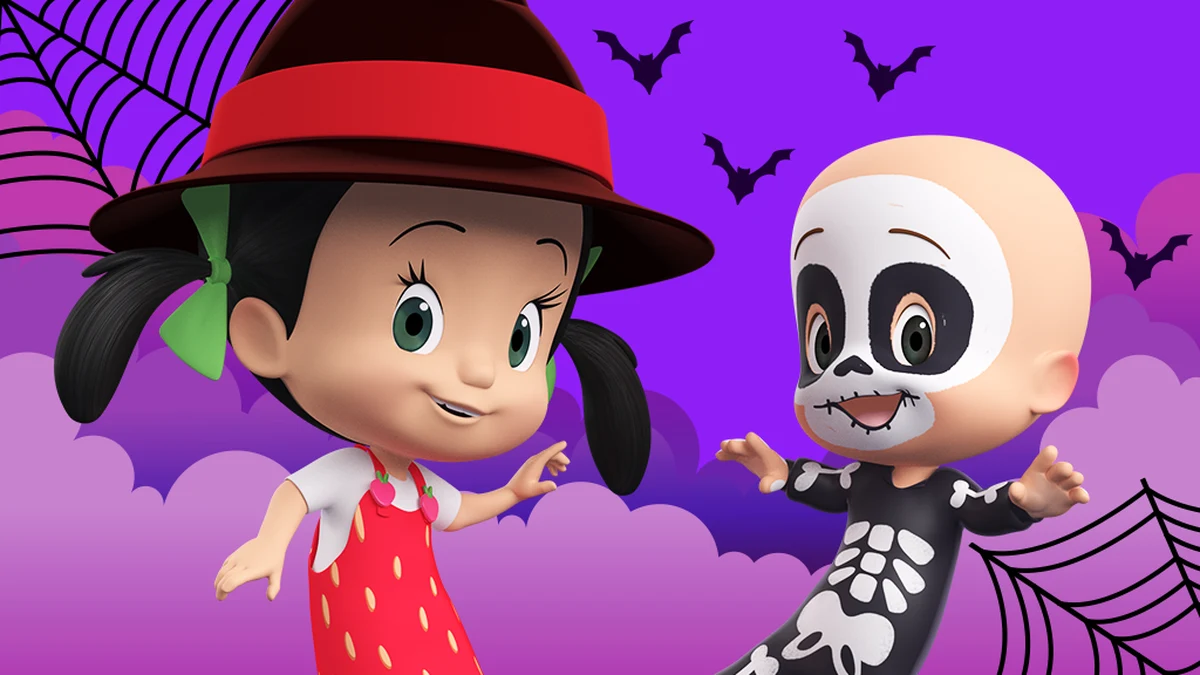
- Watch Cleo & Cuquin's Halloween adventure together. Before heading out to a party or decorating the house, you can watch Una pesadilla de Halloween (“A Halloween Nightmare”). Cuquin gets scared in a haunted house and Cleo looks for a way to solve the problem. Afterwards, you can ask your child: “What do you think scared Cuquin?”, “What would you do?” or “What helps you feel safe when something scares you?” They don't have to answer: listening, pointing to a picture or sharing something from their own experience are also ways of taking part.
- Explore before you go out. Show your child photos of costumes or make a simple decoration together. Cleo & Cuquin can join you in this exploration: Which costume do they like? Which one seems strange? What would they like to try?
- Let them choose. They might prefer a headband, a cape or just a single accessory. They don't need a full costume to join in.
- Play at turning the unknown into something familiar. If a mask scares them, you can look at it together, leave it on a chair and find out who's behind it when the person takes it off. No surprises and no forced closeness.
- Put their feelings into words. If they get scared, try “That noise scared you” or “That costume surprised you.” Avoid “It's nothing” or “Don't be a scaredy-cat”: even if you're trying to reassure them, they may feel you don't understand.
- Follow their cues. If they want to keep going, go with them. If they need a break or want to leave, do that. You can also celebrate Halloween at home, with soft lights, music, drawing and quiet games.
The best celebration isn't the one where the child dares to do everything, but the one where they can discover, enjoy themselves and say “I don't like this” while still feeling supported.
Let's play
Finding out who is hiding behind each costume, naming what we feel and calming down by breathing.
Who's Behind the Costume?Printables
The Little Halloween Explorer: an activity for choosing a costume, naming emotions and deciding what to do when something scares us.
Download PDFFrequently asked questions
Is it normal for a 2- or 3-year-old to be scared of costumes?
Yes. Masks, changes in appearance and noises can be unsettling. Respect their reaction and let them watch from a distance where they feel safe.
Should I tell my child that monsters aren't real?
You can explain that the monster in the costume is a person pretending to be a character. Even so, they may still feel scared; stay with them without expecting them to calm down right away.
What if my child doesn't want to celebrate Halloween?
That's perfectly fine. They can take part in a different way, do a quiet activity at home or not take part at all. They don't need to enjoy every holiday to develop well.
How can Cleo & Cuquin help children talk about fear?
Through stories, costumes and pretend play, Cleo & Cuquin can be a starting point for children to express what they like, what scares them and what helps them feel safe.
References
- American Academy of Pediatrics. Easing Babies & Toddlers into Halloween Fun: 8 Tips for Parents. HealthyChildren.org.
- American Academy of Pediatrics. Emotional Development in Preschoolers. HealthyChildren.org.
- Gullone, E. (2000). The development of normal fear: A century of research. Clinical Psychology Review, 20(4), 429-451. https://doi.org/10.1016/S0272-7358(99)00034-3
- Lobo, F. M., & Lunkenheimer, E. (2020). Understanding the parent-child coregulation patterns shaping child self-regulation. Developmental Psychology, 56(6), 1121-1134. https://doi.org/10.1037/dev0000926
Expert signature: Valle Molinero, Licensed Psychologist M-33177, Co&Co Training
Review date: October 25, 2026
More guides
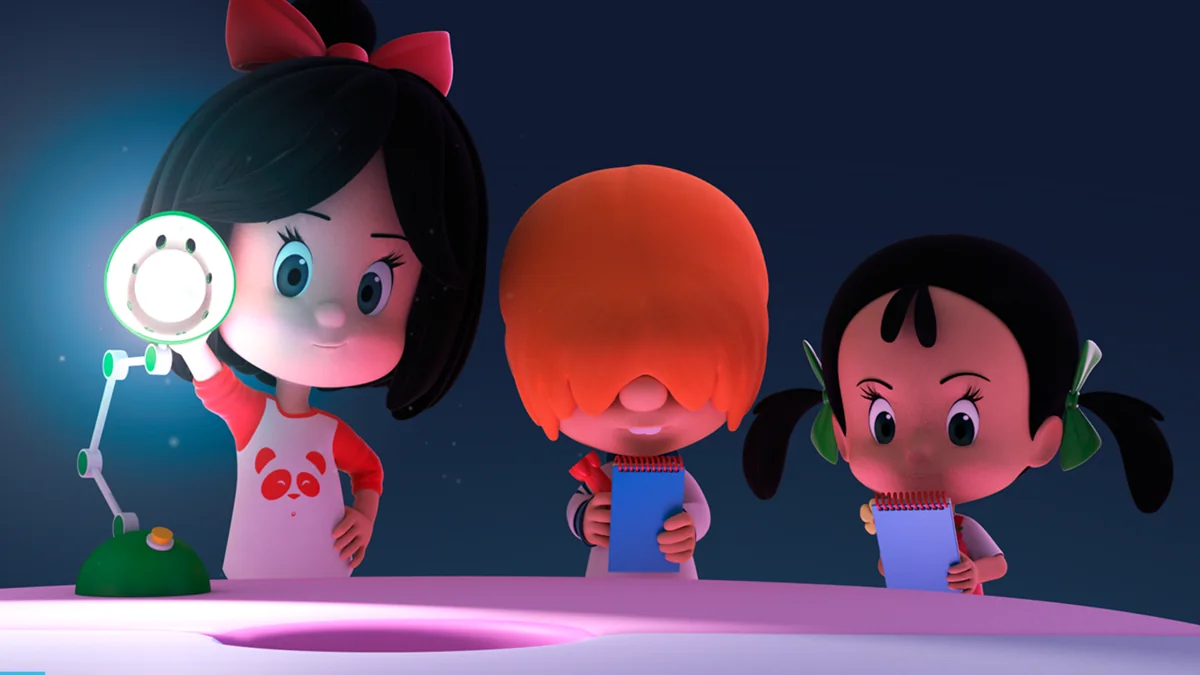
Fear of the dark and the unknown
Through the character of Pelusin, Cleo & Cuquin shows that being afraid is normal and that fear can be faced little by…

From tantrum to learning
Cleo & Cuquin promotes emotional self-regulation by turning mistakes and frustration into missions of…
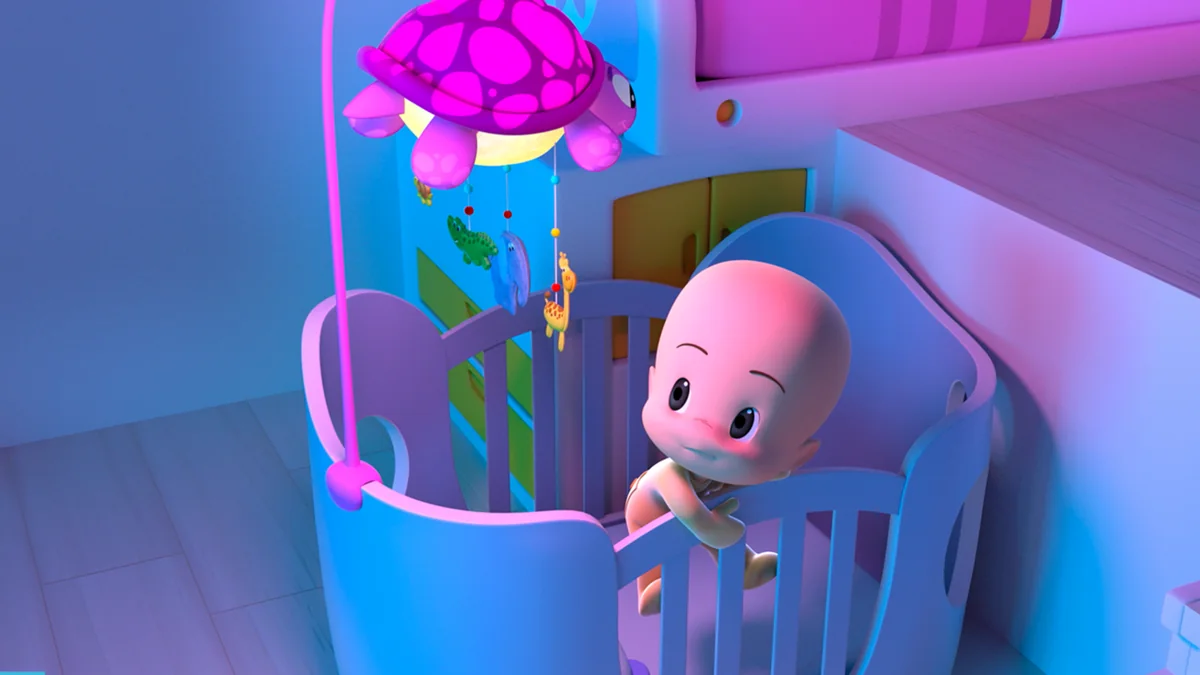
Sleep routines in early childhood
It works as a behavioral trigger and a predictable audio routine. Repeated every day at the end of…